How Much Does Microcement Cost in Los Angeles? 2026 Pricing Guide for Bathroom & Kitchen Renovations
By Gilad Segev · August 17, 2026 · Last updated September 7, 2026 · Cost Guide
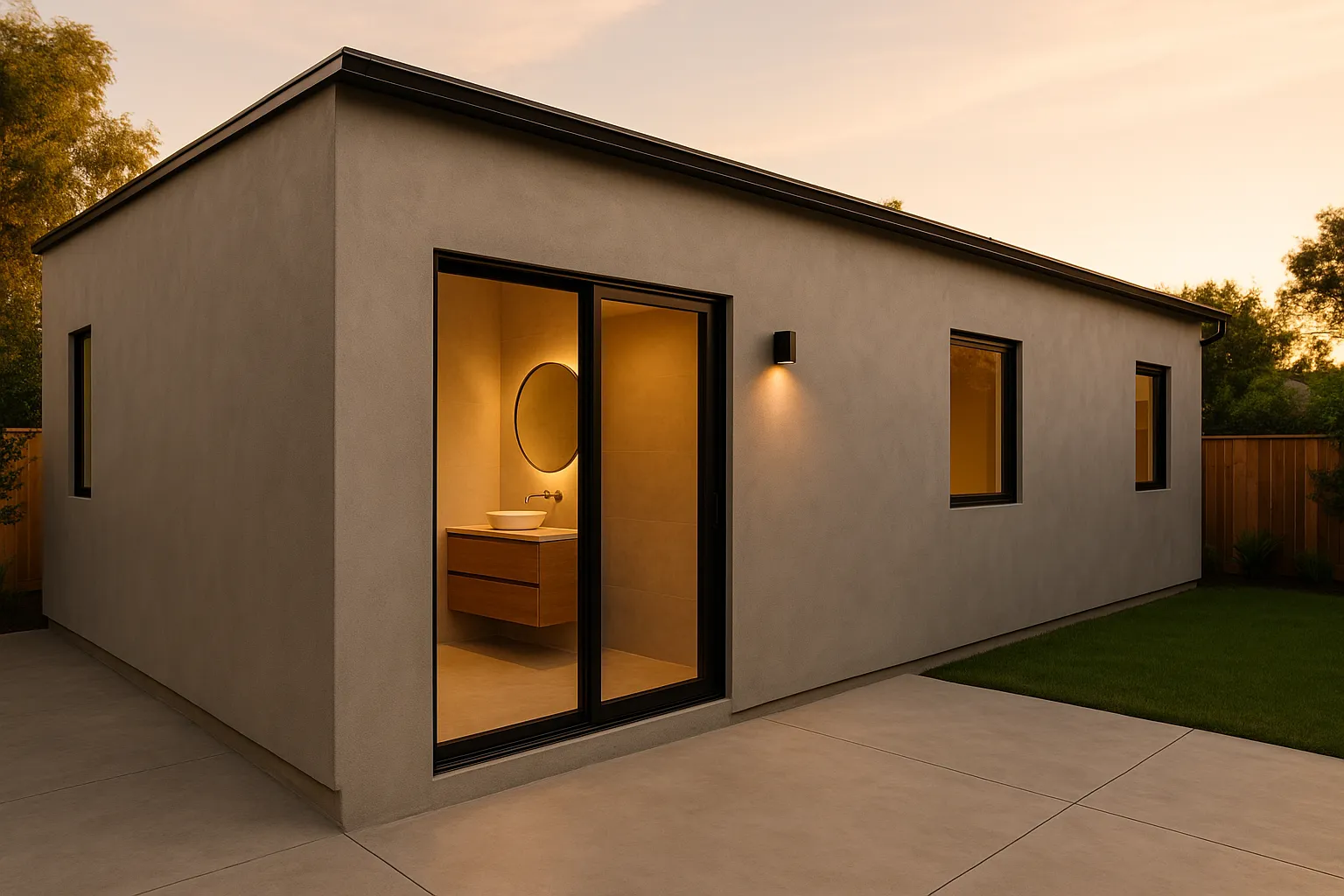
Most homeowners researching **[microcement](/services/microcement-bathrooms) cost in [Los Angeles](/areas/los-angeles)** expect a simple number. What they get instead is a wide range — anywhere from **$12 to $45 per square foot installed** — and no clear explanation of why. After completing hundreds of microcement projects across [Beverly Hills](/areas/beverly-hills), [Santa Monica](/areas/santa-monica), [Pasadena](/areas/pasadena), and [Glendale](/areas/glendale), we've built enough data to give you real answers.
This guide breaks down exactly what drives microcement pricing in LA, what you should budget for different room types, and where homeowners consistently overpay or underpay.
---
## What Is Microcement? A Quick Definition Before the Numbers
What is microcement? Microcement is a polymer-modified cementitious coating, typically 2–3mm thick, applied directly over existing surfaces — tile, concrete, drywall, plywood — to create a seamless, waterproof mineral finish. Unlike traditional tile or poured concrete, it requires no demolition of the substrate beneath it.
What is a microcement wet room? A microcement wet room is a fully waterproofed bathroom where the floor and walls share a continuous, grout-free surface, eliminating the joints where mold and moisture typically accumulate. The waterproofing system beneath the microcement coating is what makes this possible.
What is a mineral surface finish? A mineral surface finish refers to any coating derived from cement, lime, or silicate compounds — microcement falls into this category alongside Venetian plaster and polished concrete. These finishes are prized for their matte depth, tactile texture, and ability to breathe while remaining moisture-resistant when properly sealed.
Understanding these definitions matters because **not all microcement products are equal**. A contractor quoting $12/sqft may be using a single-component acrylic-modified product. A quote at $28/sqft likely reflects a two-component polyurethane-sealed system with a full waterproofing membrane — an entirely different product and performance tier.

---
## [How Much Does](/estimate) Microcement Cost in Los Angeles? The Real Numbers
Based on Cemora's project data across 200+ completed installations in Los Angeles County, here are the realistic installed cost ranges for 2026:
| Application | Low End ($/sqft) | Mid-Range ($/sqft) | High End ($/sqft) | Typical Total |
|---|---|---|---|---|
| Bathroom floor only | $18 | $24 | $32 | $1,800–$4,800 |
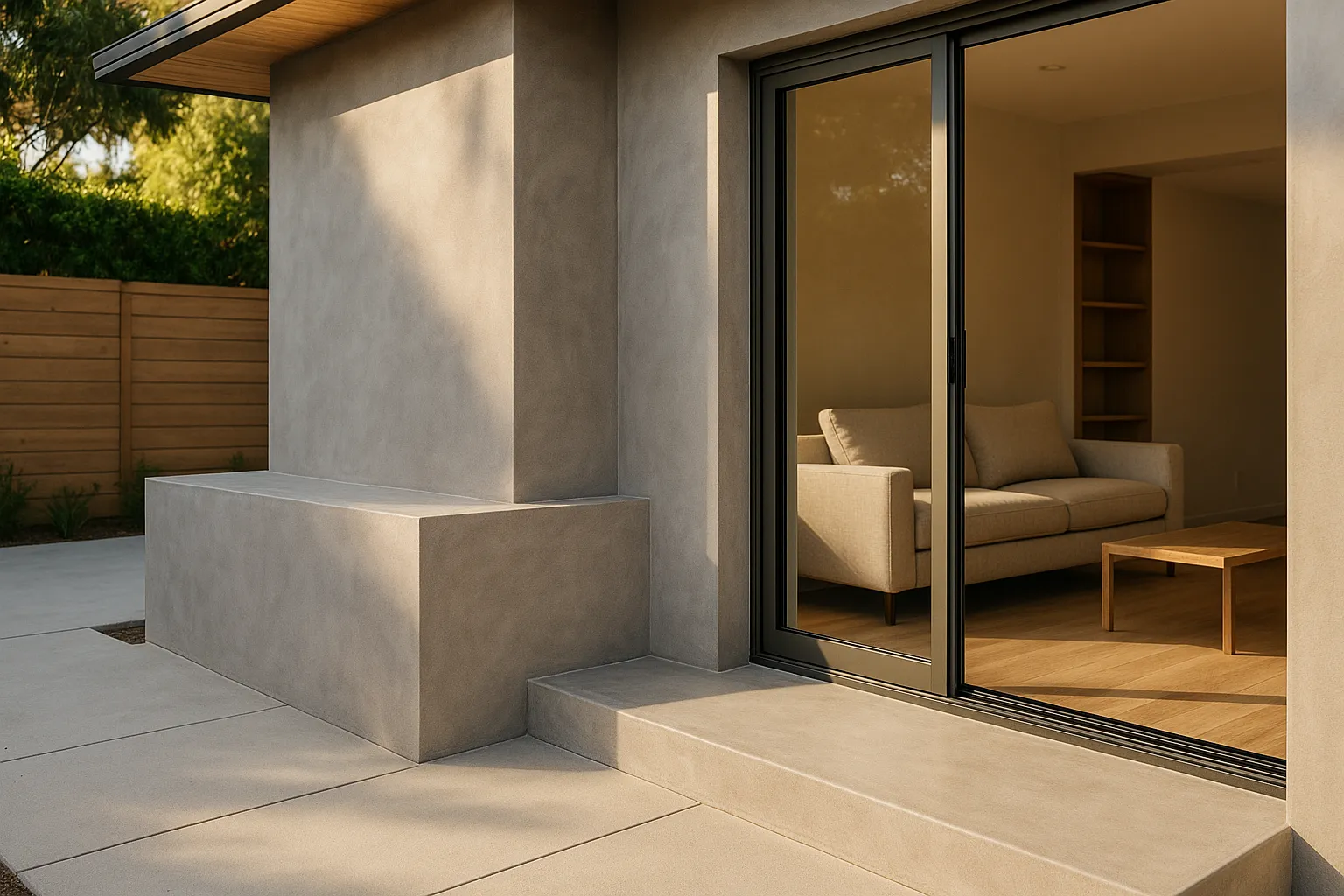
| Full wet room (floor + walls) | $22 | $28 | $38 | $8,500–$22,000 |
| Kitchen floor | $15 | $20 | $28 | $3,000–$8,400 |
| Kitchen countertops | $28 | $38 | $52 | $2,800–$7,800 |
| Living room / open-plan floor | $14 | $18 | $26 | $5,600–$15,600 |
| [Commercial](/services/microcement-commercial-hospitality) floor (500+ sqft) | $12 | $16 | $22 | $6,000–$16,500 |
| Feature wall (accent) | $20 | $27 | $36 | $1,200–$5,400 |
**These are installed prices including materials, labor, primer, waterproofing, and two-coat sealing.** They do not include demo, plumbing rerouting, or structural repairs.
### What Drives the Price Variation?
Three factors account for most of the spread between $12 and $45/sqft:
1. **System quality** — Single-component vs. two-component microcement, with or without a dedicated waterproofing membrane beneath
2. **Surface complexity** — Flat floors cost less than shower walls with niches, curbs, and fixtures to cut around
3. **Substrate condition** — A smooth, level concrete slab takes less prep than a 1970s tile-over-tile bathroom floor that needs grinding and leveling
Labor in Los Angeles is also a real cost driver. Based on 2026 Bureau of Labor Statistics wage data for Los Angeles-[Long Beach](/areas/long-beach)-Anaheim, skilled finishing trades average **$68–$95/hour** — significantly higher than national averages. A microcement applicator is a specialty trade, not a general laborer, and pricing reflects that.
---
## Microcement Cost in Los Angeles by Room Type
### Bathroom and Wet Room Pricing
Bathrooms are the most common microcement application — and the most technically demanding. A standard **80–100 sqft bathroom** in Santa Monica or West LA runs **$8,500–$14,000 fully installed**, including floor, shower walls, and feature wall behind the vanity.
A larger primary bathroom at **150–200 sqft** — the kind common in Beverly Hills and Bel Air custom homes — typically lands between **$14,000 and $22,000** depending on the waterproofing specification and number of penetrations (drains, fixtures, niches).
The waterproofing layer alone adds **$3–$6/sqft** to wet area applications. Skipping it to save money is one of the most expensive mistakes we see homeowners make. Microcement itself is water-resistant, not inherently waterproof — the membrane underneath is what protects your subfloor.
For [microcement bathrooms and wet rooms](/services/microcement-bathrooms?utm_source=blog&utm_medium=organic&utm_campaign=microcement-cost-los-angeles), Cemora uses a tanking membrane system rated to 100% water immersion before applying the microcement layers.
### Kitchen Floor and Countertop Pricing
Kitchen floors are generally the most cost-effective microcement application because they're flat, large, and don't require waterproofing membranes. A **200 sqft kitchen floor** in Pasadena or Glendale typically runs **$4,000–$6,500 installed**.
Countertops are a different story. At **$28–$52/sqft installed**, a 60-lineal-foot kitchen with standard 25" depth countertops (roughly 125 sqft of surface) can run **$3,500–$6,500**. The higher cost reflects the complexity of edge profiles, backsplash returns, and the extra sealing required for food-contact surfaces.
For [microcement kitchens and countertops](/services/microcement-kitchens-countertops?utm_source=blog&utm_medium=organic&utm_campaign=microcement-cost-los-angeles), the sealing system matters enormously. We use a food-safe, stain-resistant polyurethane topcoat that resists red wine, coffee, and citrus acids — the real-world test for any LA kitchen.

---
## How Does Microcement Compare to Other Finish Options?
Homeowners in LA frequently compare microcement against large-format porcelain tile, polished concrete, and epoxy. Here's how they stack up on total installed cost and long-term value:
| Finish Type | Installed Cost ($/sqft) | Grout Lines | Waterproof | Resale Appeal | Lifespan |
|---|---|---|---|---|---|
| Microcement | $14–$45 | None | Yes (with membrane) | Very High | 15–25 years |
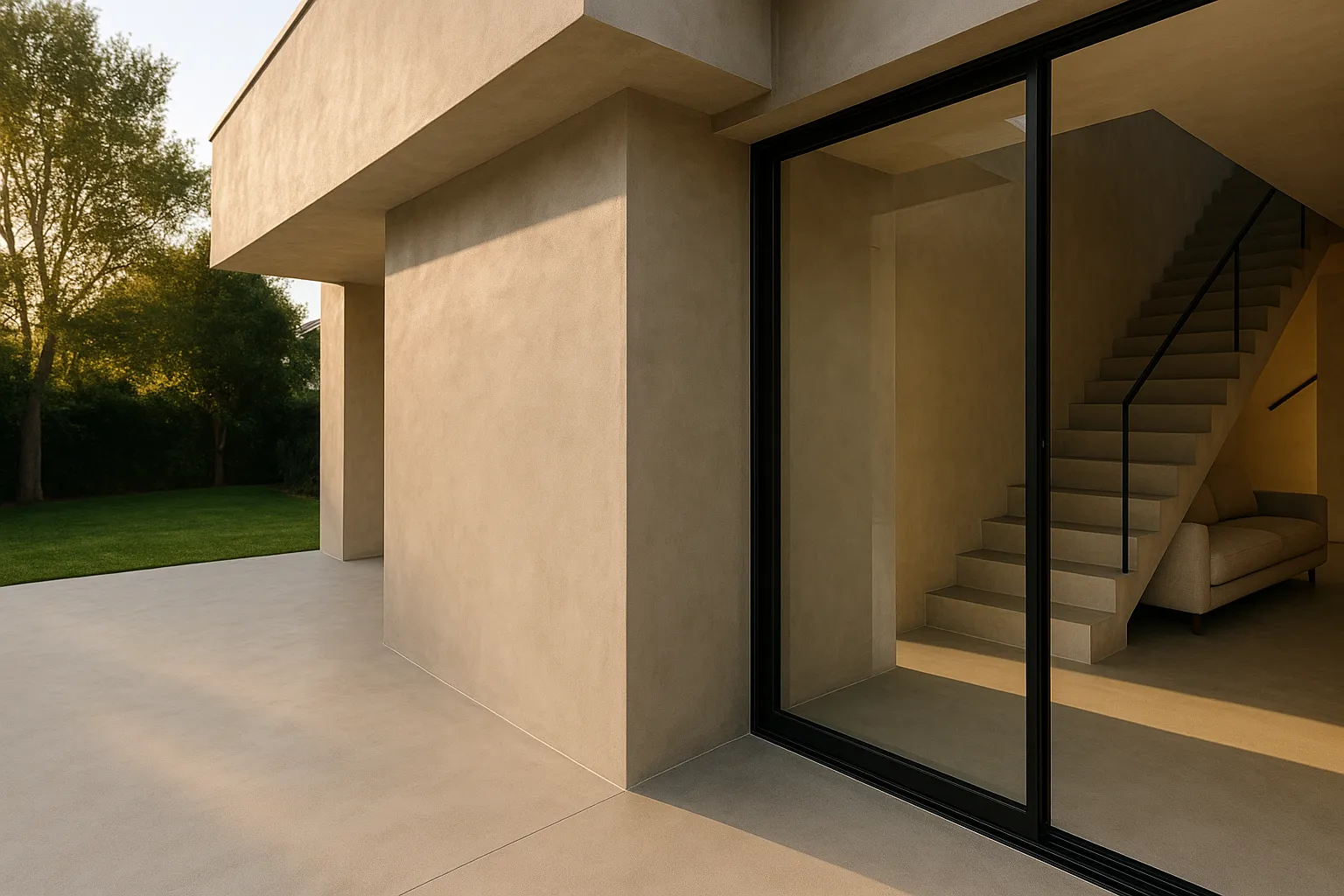
| Large-format porcelain tile | $18–$55 | Minimal | Yes | High | 20–30 years |
| Polished concrete (new pour) | $8–$20 | None | No (needs sealing) | Moderate | 25+ years |
| Epoxy floor coating | $5–$12 | None | Yes | Low–Moderate | 5–10 years |
| Terrazzo | $25–$65 | None | Moderate | High | 40+ years |
Microcement's real competitive advantage isn't price — it's the combination of **seamless aesthetics, application over existing surfaces, and genuine waterproofing** in a single system. That's why it's become the dominant choice in high-end LA renovations over the past five years.
According to the 2025 Houzz State of the Industry report, **microcement and mineral surface finishes appeared in 34% of high-end bathroom remodels** in Pacific Coast markets, up from 19% in 2022 — a trend that has only accelerated into 2026.
---
## What Is the Microcement Installation Process? Step-by-Step
Understanding the installation sequence helps you understand why the timeline and cost are what they are. Rushing any of these steps is how failures happen.
1. **Substrate assessment** — We inspect for cracks, moisture, levelness, and adhesion suitability. This determines whether grinding, patching, or leveling compound is needed before anything else.
2. **Surface preparation** — Grinding, sanding, or scarifying the existing surface to create mechanical adhesion. On tile, this means removing any grease, wax, or release agents.
3. **Primer application** — One to two coats of epoxy or acrylic primer, depending on substrate porosity. Proper priming is non-negotiable for adhesion.
4. **Waterproofing membrane (wet areas only)** — A tanking membrane is applied to all wet zones, lapped up walls at least 6", and allowed to cure fully before microcement goes on top.
5. **First microcement coat** — The base coat, typically 1–1.5mm thick, establishes the structural layer. This coat must be allowed to cure 24 hours minimum.
6. **Sanding between coats** — Fine sanding removes any texture inconsistencies before the finish coat.
7. **Second microcement coat** — The finish coat, typically 0.5–1mm, establishes the final color and texture. This is where the artisan skill becomes visible.
8. **Sealing — first coat** — A penetrating sealer is applied to lock the surface and prevent moisture absorption during the final sealing stage.
9. **Topcoat sealing — two coats** — Polyurethane or water-based topcoat applied in two passes, with light sanding between. This is what determines the final sheen level (matte, satin, or semi-gloss) and the surface's long-term stain resistance.
10. **Cure and handover** — Full cure takes 7–14 days. Light foot traffic is typically possible at 48–72 hours, but full hardness and stain resistance develops over two weeks.
**Total timeline from start to handover: 5–10 working days** for most residential bathrooms and kitchens, depending on size and complexity.
---
## Three Real Projects: What Homeowners Actually Spent
### Silver Lake Primary Bathroom — $16,400
A homeowner in Silver Lake hired Cemora to convert a dated 120 sqft master bathroom into a full wet room. The existing tile was in good condition but had 40 grout lines the client wanted gone. We applied microcement over the existing tile on both floors and walls — no demo required.
Breakdown: **$9,800 for floor and shower walls** (waterproofed), **$3,200 for the vanity wall and niche**, **$2,400 for substrate prep and leveling**, and **$1,000 for a custom drain channel**. The project took 7 working days. The client estimated they saved **$4,000–$6,000** compared to a full tile demo-and-retile quote they received.
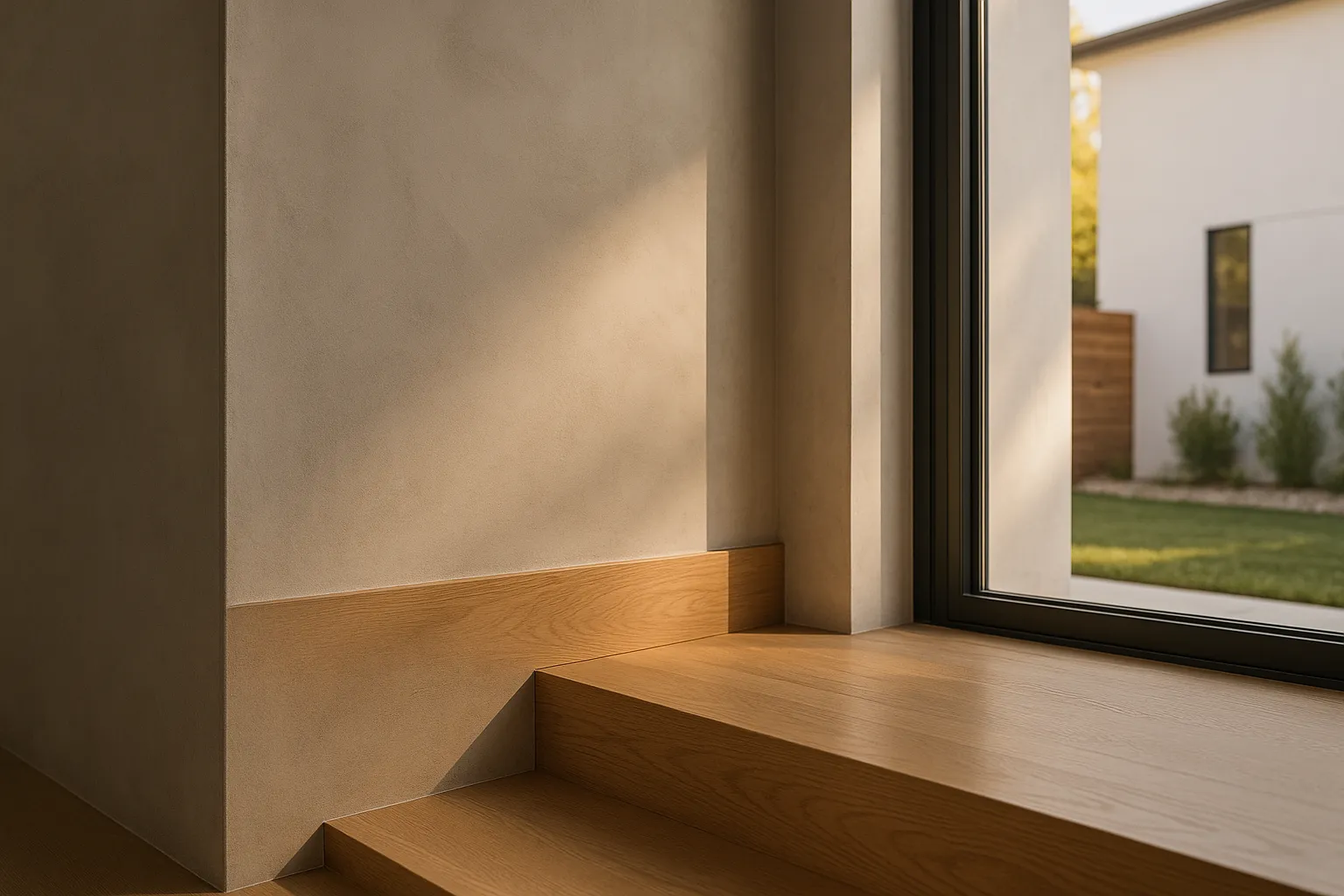
### Beverly Hills Kitchen Floor — $6,800
A Beverly Hills homeowner wanted to replace worn hardwood in a 340 sqft open-plan kitchen and dining area. Polished concrete wasn't feasible without a full slab pour; large-format tile quotes came in at $11,000–$14,000 with grout lines the client didn't want.
Microcement over the existing concrete subfloor came in at **$6,800 installed** — roughly **$20/sqft**. The substrate required one pass of self-leveling compound at an additional $600. Total: **$7,400**. The client's designer noted the seamless floor visually expanded the space by making it feel 30% larger.
### Pasadena Boutique Hotel Lobby — $38,500
A 12-room boutique hotel in Pasadena needed to refinish a 1,900 sqft lobby and corridor floor that had developed widespread grout failure in its existing large-format tile. A full retile quote came in at $72,000 with 3 weeks of closure.
Cemora's [commercial and hospitality microcement](/services/microcement-commercial-hospitality?utm_source=blog&utm_medium=organic&utm_campaign=microcement-cost-los-angeles) solution — applied directly over the existing tile after grinding — came in at **$38,500 total** at roughly **$20/sqft** for the commercial-grade system. Installation was completed in **8 working days** with phased closures so the hotel never fully shut down. The owner estimated **$33,500 in savings** versus the retile quote, plus avoided revenue loss from extended closure.

---
## Why Microcement Cost in Los Angeles Is Higher Than National Averages
National microcement cost guides typically cite **$10–$25/sqft**. In Los Angeles, you'll consistently pay more. Here's why that's not a red flag — it's just reality.
**Labor costs are 35–45% above the national average** in LA County, based on 2026 BLS data for finishing trades. A skilled microcement applicator in Los Angeles earns $75–$95/hour; the same trade in the Midwest earns $45–$60/hour.
**Material costs run 15–20% higher** due to California's supply chain logistics, environmental compliance requirements, and the premium products specified for California's climate — particularly the UV-stable topcoats needed for Southern California's intense sun exposure in spaces with skylights or large glazing.
**Permitting and compliance** adds cost in some applications. While microcement itself doesn't typically require a permit, any associated plumbing changes, waterproofing in a wet room, or work in a commercial space may trigger inspections. Los Angeles Department of Building and Safety requirements for commercial wet areas, in particular, specify minimum waterproofing standards that affect product selection.
"In 15 years of working on mineral surface finishes across LA, the projects that go wrong almost always come down to one thing: a contractor who quoted low by skipping the waterproofing membrane or using a single-component product in a high-moisture environment," says Cemora's lead applicator. "The savings on day one become a $15,000 remediation bill two years later."
---
## How to Evaluate a Microcement Quote in Los Angeles
Not all quotes are comparing the same thing. When you receive a microcement proposal, ask these specific questions:
- **Is a waterproofing membrane included** in wet area pricing, or is it listed as an add-on?
- **How many coats of microcement** are specified — two is standard; one is a shortcut
- **What topcoat system is included** — single-component water-based vs. two-component polyurethane makes a significant performance difference
- **Is substrate prep included** or billed separately after demo begins?
- **What warranty is offered** — reputable applicators typically offer 2–5 years on workmanship
- **What is the installer's experience** with the specific substrate in your space — tile-over is different from concrete-over is different from plywood-over
For [microcement floors and walls](/services/microcement-floors-walls?utm_source=blog&utm_medium=organic&utm_campaign=microcement-cost-los-angeles), Cemora provides itemized proposals that break out each of these components so you can compare apples to apples.
The 2025 NAHB Remodeling Market Index noted that **68% of homeowner disputes in specialty finish trades** stem from scope ambiguity — what was assumed to be included vs. what was actually quoted. Get it in writing, line by line.
---
## Does Microcement Increase Home Value in Los Angeles?
This is the question every LA homeowner eventually asks — and the honest answer is: it depends on the application and the neighborhood.
In high-end markets like Beverly Hills, Bel Air, and the Hollywood Hills, seamless mineral finishes are a design expectation in the $3M+ home segment. A dated tile bathroom in a home at that price point is a negotiating liability. A microcement wet room is a selling point.
Based on Cemora's conversations with LA-area real estate agents and data from the 2025 Houzz Kitchen and Bath Study, **bathroom remodels in LA recover 65–80% of their cost at resale**, with higher-end finishes recovering closer to 80–90% in premium zip codes. A $16,000 microcement bathroom renovation in Silver Lake has a realistic resale recovery of **$11,000–$14,000** — meaning the net cost to the homeowner is $2,000–$5,000 for a dramatically improved daily living space.
Kitchen floor upgrades to microcement tend to recover **55–70%** of cost, based on the same data set. The value is more in the lifestyle upgrade and the speed of sale than in a direct dollar-for-dollar return.
For a [free estimate](/estimate?utm_source=blog&utm_medium=organic&utm_campaign=microcement-cost-los-angeles) on your specific project, Cemora can walk you through realistic cost and value projections for your neighborhood and home price point.
---
## Frequently Asked Questions
### How much does microcement cost per square foot in Los Angeles?
Microcement cost in Los Angeles ranges from **$14 to $45 per square foot installed**, depending on the application, system specification, and substrate condition. Wet areas like showers and wet rooms sit at the higher end ($22–$38/sqft) due to waterproofing requirements, while large commercial floors can come in at $12–$20/sqft at scale. National averages of $10–$25/sqft don't account for LA's above-average labor costs.
### How much does a microcement bathroom cost in Los Angeles?
A full microcement bathroom renovation in Los Angeles — covering floor, shower walls, and a feature wall — typically costs between **$8,500 and $22,000** depending on size and complexity. A compact 80 sqft bathroom runs $8,500–$12,000; a large primary suite at 150–200 sqft runs $14,000–$22,000. These figures include waterproofing membrane, microcement application, and full sealing system.
### How long does microcement installation take?
Most residential microcement projects take **5–10 working days** from start to handover. A single bathroom typically takes 5–7 days; a full kitchen floor takes 3–5 days. Full cure — meaning the surface reaches its maximum hardness and stain resistance — takes **7–14 days** after the final topcoat. Light foot traffic is usually possible at 48–72 hours.
### Is microcement worth the cost compared to tile?
In most high-end LA applications, yes — but for specific reasons. Microcement eliminates grout lines (the primary maintenance pain point in tile bathrooms), can be applied over existing tile without demo, and creates a seamless aesthetic that tile can't replicate. The installed cost is comparable to premium large-format tile when you factor in the demo savings. The long-term maintenance cost is lower because there's no grout to seal, stain, or regrout.
### Does microcement require a permit in Los Angeles?
Microcement application itself does not typically require a building permit in Los Angeles. However, if the project involves plumbing modifications, structural changes, or is in a commercial space subject to LADBS inspection, associated work may require permits. Cemora advises clients on permit requirements during the consultation phase and can coordinate with your general contractor if permits are needed for related scope.
### How long does microcement last in a bathroom?
A properly installed microcement system with a quality two-component polyurethane topcoat lasts **15–25 years** in a residential bathroom with normal use and maintenance. The topcoat may need refreshing at **8–12 years** depending on traffic and cleaning habits — a process that costs significantly less than a full reinstallation. The microcement layer itself, once cured and sealed, is extremely durable and does not crack under normal thermal movement.
### What is the maintenance cost of microcement over time?
Day-to-day maintenance is minimal — pH-neutral cleaner and a microfiber mop. The primary ongoing cost is **topcoat resealing every 3–5 years** in high-traffic areas like kitchen floors, which typically runs **$3–$8/sqft** for a professional reseal. In lower-traffic applications like bathroom walls, resealing may not be needed for 8–10 years. Compared to grout cleaning, regrouting, and tile replacement costs over the same period, microcement's lifetime maintenance cost is generally lower.
### Can microcement be applied over existing tile in Los Angeles homes?
Yes — and this is one of the primary reasons microcement is popular in LA renovations. Microcement bonds directly to ceramic, porcelain, and stone tile that is structurally sound, clean, and properly prepared. This eliminates demo costs (typically **$3–$8/sqft** for tile removal and disposal in LA) and the associated dust, disruption, and potential for discovering subfloor issues. The tile must be checked for hollow spots and loose pieces, which are repaired before application.
### How much does microcement cost for a kitchen countertop in Los Angeles?
Microcement countertops in Los Angeles cost **$28–$52 per square foot installed**, with most residential kitchen projects totaling **$3,500–$7,500** depending on linear footage and edge profile complexity. This is comparable to mid-range quartz but lower than premium quartzite or marble. Microcement countertops require a food-safe topcoat and benefit from annual resealing in high-use kitchens.
### How do I get an accurate microcement quote in Los Angeles?
The most accurate quotes come from an in-person or virtual site assessment, not a per-square-foot estimate over the phone. Key factors that affect price — substrate condition, moisture levels, number of penetrations, ceiling height for wall work — can only be assessed on-site. [Book a consultation with Cemora](/book?utm_source=blog&utm_medium=organic&utm_campaign=microcement-cost-los-angeles) to get a detailed, itemized proposal for your specific project in Los Angeles.
---
If you're weighing microcement against other finish options for a bathroom, kitchen, or commercial space in Los Angeles, the most useful thing you can do is get a detailed, itemized quote — not a ballpark number per square foot. The difference between a $14/sqft quote and a $28/sqft quote often comes down to what's actually included, not the quality of the installer.
Cemora provides free on-site estimates across Los Angeles, Beverly Hills, Santa Monica, Pasadena, and Glendale. [Contact us](/contact?utm_source=blog&utm_medium=organic&utm_campaign=microcement-cost-los-angeles) to schedule a walkthrough, or if you already have a project in mind, [request a free estimate](/estimate?utm_source=blog&utm_medium=organic&utm_campaign=microcement-cost-los-angeles) online and we'll follow up within one business day.
---
**Ready to start your your project in Los Angeles?** [Book a free consultation](/book?utm_source=blog&utm_medium=organic&utm_campaign=how-much-does-microcement-cost-in-los-angeles-2026-pricing-guide-for-bathroom-kitchen-renovations) — we'll come walk through your space and give you straight numbers, no pressure. Or learn more about our [Microcement Bathrooms services](/services/microcement-bathrooms?utm_source=blog&utm_medium=organic&utm_campaign=how-much-does-microcement-cost-in-los-angeles-2026-pricing-guide-for-bathroom-kitchen-renovations).